

Life Cycle Assesments
De roadmap voor een efficiënte en duurzame organisatie.
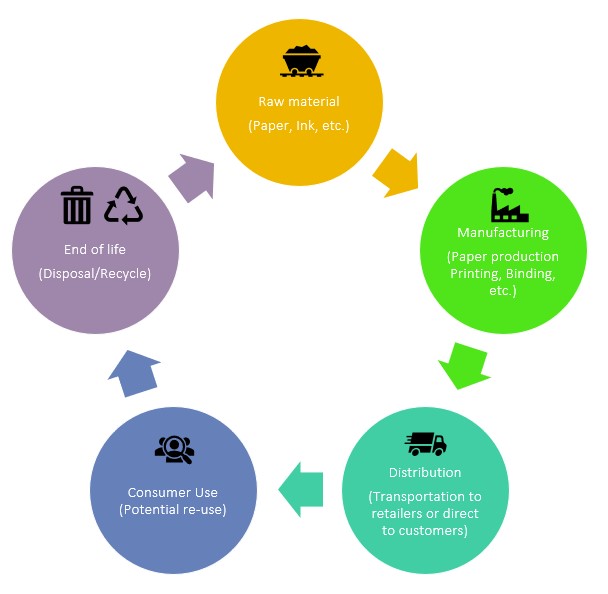
Een product, proces of dienst een ‘groen’ label geven is één ding, maar echt weten waar je milieu-impact zit en hoe je die kunt verbeteren, is een stuk lastiger. Een Life Cycle Assessment (LCA) helpt je om alle fases van een product- of proces-levenscyclus in kaart te brengen. Van de grondstofwinning tot aan de afvalverwerking. In dit artikel nemen we je mee in de wereld van LCA’s, hoe ze praktisch ingezet kunnen worden.
Paraskevi Koumadoraki
Author
Wat is een Life Cycle Assessment (LCA)?
Een life cycle assessment (LCA) is een onderzoeksmethode waarmee je exact kunt achterhalen waar en hoe een product, dienst of proces invloed heeft op het milieu. Dit begint bij het moment dat de eerste grondstoffen worden gewonnen en eindigt wanneer je product is gerecycled of je proces/dienst zijn afgerond. Je brengt dus de milieu impact in kaart van de hele levenscyclus.
LCA is een waardevol hulpmiddel wat in verschillende sectoren toegepast kan worden waaronder ook de creatieve industrie. Deze methodiek helpt je om zogeheten hotspots te identificeren in de levenscyclus van jouw product, dienst of proces zodat je daar vervolgens iets mee kan doen om je impact op het milieu te verlagen.
Waarom is een LCA belangrijk?
Het zal je niet verbazen maar een van de punten waarom een LCA belangrijk is is vanwege het op sporen van de eerder genoemde hotspots. Je ontdekt daarmee precies waar in de keten de grootste milieu impact ligt. Op die manier kan je vervolgens betere strategische keuzes maken risico’s beperken en met die inzichten gerichte optimalisaties uitvoeren.
Een ander belangrijk aspect van LCA’s heeft betrekking op de steeds strengere wordende eisen vanuit de overheid en ketenpartners rondom duurzaamheids-rapportages en -communicatie van bedrijven. LCA’s maken je verhaal als organisatie transparant waardoor stakeholders en klanten meer vertrouwen en een concreet beeld krijgen van je inspanningen en ambities.
Buiten het feit dat LCA’s je dus helpen om inzicht te krijgen en te voldoen aan milieu wetten en regelgeving, zorgt het er ook voor dat operationele kosten aanzienlijk kunnen worden verlaagd op de lange termijn omdat je op een strategischere manier naar je bedrijfsvoering gaat kijken. Het opent de deur naar voortdurende verbetering en innovatie door je milieu-impact te begrijpen kan je duurzamere producten en diensten ontwikkelen.
Zelf starten met Life Cycle Assessments
Een LCA hoeft niet per se ingewikkeld te zijn maar vereist wel de nodige kennis, kunde en tools. Hieronder vindt je een kort maar compleet stappenplan:
- Bepaal de onderzoeksvraag
Vraag jezelf af wat je met de LCA precies wilt bereiken. Wil je vooral de CO₂-uitstoot in kaart brengen van een specifiek product of proces of zoek je juist een bredere blik, bijvoorbeeld op water- en energieverbruik? De uitkomst van deze stap bepaalt welke data je nodig hebt en welke focusgebieden je kiest tijdens de analyse. - Verzamel gegevens
Begin met het verzamelen van de gegevens die je al in huis hebt. Denk aan energie- en waterverbruik, transportafstanden en materiaalgebruik. En schakel hier zo nodig hulp bij in van een expert. Bij het Dienstencentrum zijn wij zeer ervaren met het gebruik van de Eco Invent database en kunnen we met behulp van onze CO2&Energie RI&E complexe berekeningen maken. Bovendien laten wij onze LCA-berekeningen altijd extern toetsen bij de SCCi waarna een certificaat van dat substraat wordt afgegeven. De juiste gegevens heb je nodig voor een solide basis van de rest van je onderzoek. - Impact beoordeling en optimalisatie
Met de verzamelde gegevens ga je aan de slag om je milieu-impact in kaart te brengen. Denk aan CO₂-emissies, energiegebruik en afvalstromen. Hierna kan je met het resultaat van je onderzoek kijken naar de optimalisatie-fase om concrete maatregelen te nemen om de negatieve impact te verlagen. Dat kan variëren van het gebruik van duurzamere materialen tot het verbeteren van de energie-efficiëntie in je productieproces. - Rapportage en communicatie
De resultaten van je LCA zijn een krachtig middel om je duurzaamheidsambities te onderbouwen dit doe je gemakkelijk in combinatie met de CO2&Energie RI&E. Sla je resultaten van je LCA goed op in een rapportage tool. Zo laat je met feiten en data zien welke stappen je zet en welke resultaten je boekt. - Verbetering en innovatie
Een LCA zou geen eenmalige exercitie moeten zijn. Als je echt wil excellereren op het gebied van duurzaamheid dan is het belangrijk om de impact van je bedrijfsvoering producten en processen structureel onder de loop te nemen zeker wanneer er wijzigingen zijn binnen je bedrijf of productieketen.
Wist je dat de CO2&Energie RI&E en LCA's elkaar perfect aanvullen?
Een LCA en de CO2 & Energie RI&E gaan hand in hand. De CO2 & Energie RI&E kan je in combinatie met je LCA’s uitstekend gebruiken om je duurzaamheidsrapportages te generen en te verbeteren. Zo kan je de uitkomsten van je LCA onderzoeken weer gebruiken in de CO2 & Energie RI&E om productberekeningen up to date te houden en de gehele keten in kaart te brengen. Daarnaast kan je zowel je inspanningen als verbeter maatregelen gestructureerd en duidelijk communiceren met stakeholders en de overheid.
Liever samen aan de slag?
Wil je nu zelf aan de slag, maar weet je niet waar te beginnen? of wil je dat een expert meekijkt zodat je zeker weet dat je het juiste aan het doen bent? Bij het Dienstencentrum hebben we specialisten in huis voor het doen van LCA onderzoeken en helpen we je graag op weg. Heb je vragen over hoe LCA’s jouw kunnen helpen in het identificeren van de milieu impact van jouw producten diensten of processen.